Hydraulic pump noise can signal changes in operating conditions. Possible causes include suction restrictions, air ingress, mounting problems and internal wear. However, sound alone cannot confirm a fault. The maintenance team must assess noise alongside temperature, pressure and movement.
Hydraulic pump noise: cavitation or air ingress?
Cavitation involves vapour cavities forming when local fluid pressure drops sufficiently. These cavities collapse when pressure rises. As a result, they can damage surfaces. Suction restrictions and unsuitable oil conditions require investigation.
By contrast, air ingress introduces outside air into the oil circuit. Low oil levels or suction-side leaks can contribute. The oil may foam, and movement may become irregular. However, these symptoms do not prove that one specific component has failed.
Mechanical and mounting causes
Shaft alignment, connections and transmitted vibration can affect noise levels. Internal wear or damage may also contribute. Different faults can produce similar sounds. Therefore, descriptions such as “gravel noise” are observations, not diagnoses.
Stop the machine safely if severe knocking starts suddenly. Uncontrolled movement or major leakage also needs immediate attention. Leave inspection to qualified maintenance personnel. Never loosen a pressurised line or work on a running system.
How should you assess the symptoms?
The table summarises possible causes and safe initial responses. It cannot identify the failed component by sound alone.
| Observed symptom | Possible causes | Safe first step |
|---|---|---|
| Continuous gravel-like sound | Suction restriction, oil conditions or other causes | Record operating conditions for the maintenance team |
| Irregular hum & foaming | Air ingress or other oil circuit problems | Report oil level and foaming to qualified personnel |
| Rhythmic knocking & cracking | Mounting problems, wear or internal damage | Stop safely and request a qualified inspection |
What should the maintenance team record?
First, note when the noise started and how it changes under load. Next, record the pump code, operating speed and oil temperature. Also report the oil level and any foaming.
After safe shutdown and energy isolation, qualified personnel can inspect the suction line. They can then check filters, connections, oil suitability and shaft alignment. Compare measurements with the limits specified for the actual model.
Can an oil or setting change repair damage?
Correcting unsuitable operating conditions may prevent further damage. However, it cannot restore damaged metal surfaces. Qualified personnel must assess whether the component remains fit for use. Follow the manufacturer’s inspection and maintenance instructions.
Related pump information
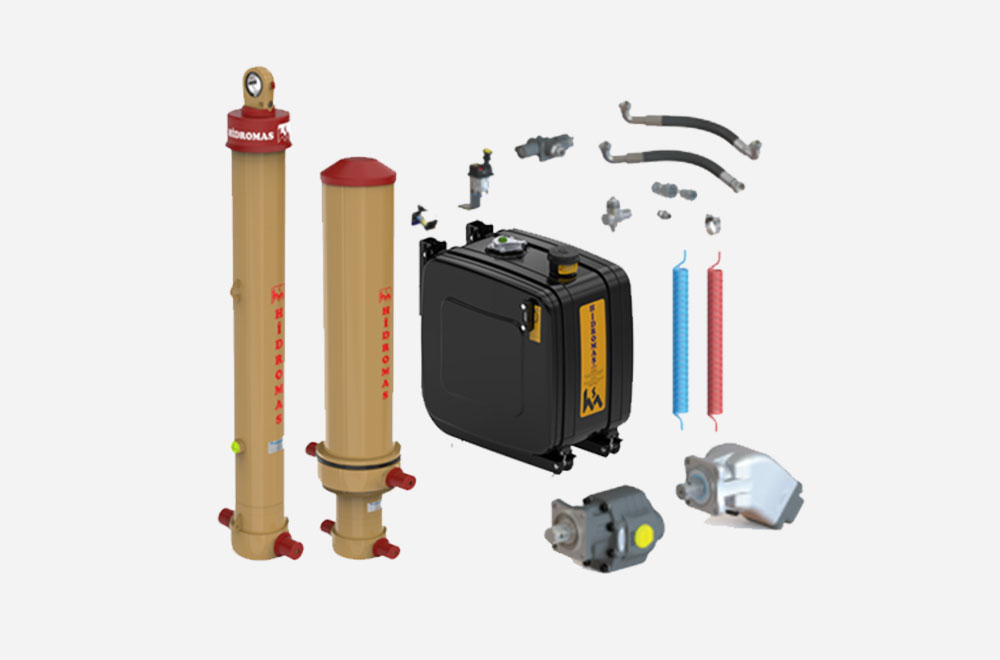
For product information, see the Hidromas pump range. You can also review hydraulic pump types and selection criteria. For assistance, contact Hidromas after-sales services.
Important Tip: Stop safely if abnormal noise accompanies uncontrolled movement or major leakage. Never loosen a pressurised line. Contact qualified maintenance personnel.
About This Article: This guide helps you record initial observations. Diagnosis requires the model instructions and a qualified technical inspection.