Causes of Abnormal Noise in Hydraulic Pumps and Control Methods
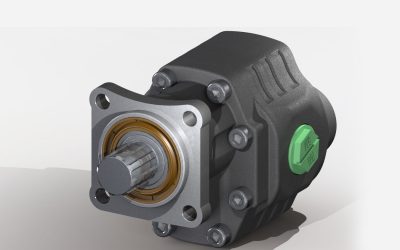
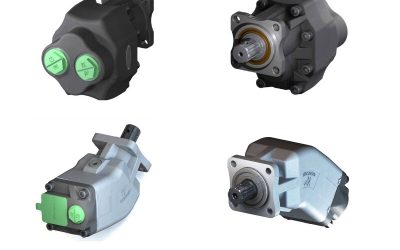
Pumps in hydraulic power systems—including gear, piston and axial piston series—naturally produce a certain sound level during circulation because of their operating principles. Abnormal noises that depart from the system’s usual rhythm or change in character, however, are among the clearest acoustic signals that a problem is beginning in the hydraulic circuit. For an experienced maintenance technician or field engineer, the sound emitted by the pump is a powerful diagnostic tool that can help isolate whether the source is cavitation, air ingress or a mechanical fault before the system is dismantled.
Three Main Categories of Abnormal Sound and Their Mechanical Meaning
Pump noises can be examined under three principal headings according to their acoustic characteristics:
1. Cavitation Symptom: “Gravel / Metallic Rattle” Sound
Cavitation occurs when the absolute pressure at the pump suction port falls below the vapour pressure of the hydraulic oil. Microscopic gas or vapour bubbles form in the fluid; as soon as they enter the high-pressure region of the pump, they collapse within milliseconds. These micro-implosions generate a strong sound wave in the system.
Sound Character: A hard, continuous, high-frequency rattling that sounds as though gravel were being poured into the pump or dry sand were circulating through it.
Primary Causes: A suction hose that is too narrow or too long, restrictions in suction-line fittings, a tank outlet valve (T valve) that is not fully open, oil that has become excessively thick in cold weather, or a clogged suction filter. Bubble collapse can remove microscopic particles from metal surfaces, creating pitting damage and gradually wearing the pump.
2. Air Ingress Symptom: “Hum / Irregular Grinding” Sound
Air ingress, or aeration, differs from cavitation in that atmospheric air is drawn directly into the system through leaks in the suction line or because the oil level in the tank is too low.
Sound Character: A deeper, irregular and sometimes intermittent humming or grinding sound. When air is being drawn in, foaming is visible in the hydraulic oil tank, system pressure becomes unstable and the cylinder stages extend with jerky, interrupted movement.
Primary Causes: Loose suction-hose clamps, worn pump-shaft seals, or an oil level below the minimum limit that creates a vortex in the tank and draws in air.
3. Structural Mechanical Failure Symptom: “Rhythmic Knocking / Metallic Rubbing” Sound
This is the most critical noise category and occurs when mechanical parts inside the pump have suffered structural damage.
Sound Character: Rhythmic knocking, cracking or heavy metallic rubbing synchronised with engine speed and pump-shaft rotation. The noise becomes louder as the system is loaded.
Primary Causes: Bearing damage, deformation of gear surfaces, a bent pump shaft or a large foreign particle entering the system and scoring the internal mechanism. The system must be stopped immediately in this condition; otherwise, internal damage may worsen and metal debris may spread through the hydraulic lines, damaging cylinders and valves as well.
Acoustic Diagnosis Summary and Response Matrix
The following table can be used for quick diagnosis and field intervention based on the sound type observed:
| Acoustic Sound Type | Possible Physical Source | Priority Field Action |
|---|---|---|
| Continuous gravel-like sound | Suction restriction (cavitation) | Check hose line, filter and viscosity |
| Irregular hum & foaming | External air ingress | Tighten clamps and restore tank oil level |
| Rhythmic knocking & cracking | Internal mechanical-component damage | Stop the system and overhaul the pump |
Frequently Asked Questions (FAQ)
Is slight ticking from the pump normal?
A certain level of natural sound is normal, but an increase in character or change in intensity is a warning sign. An experienced technician can distinguish between normal and abnormal sounds.
How quickly does air ingress damage pumps?
While air ingress initially only causes vibration, it can rapidly wear system components. It should be corrected as soon as possible.
Can cavitation damage be reversed?
In the early stages (mild pitting), system adjustments may correct the problem; however, advanced damage requires pump replacement.
References and Sources
- Hydraulic System Maintenance Guide – ISO 4413
- Pump Acoustic Diagnosis – Industry 4.0 Standards
- Oil Viscosity and System Performance Relationship
Conclusion
The sound of a hydraulic pump is a live indicator of system health. Keeping the oil warning/weep holes specified in pump catalogues clean, observing suction-line tolerances and correctly analysing abnormal sounds at an early stage are among the most effective operational monitoring practices for preventing a condition that could be resolved by simply tightening a hose from developing into major system damage.
💡 Important Tip: If you hear abnormal sounds in your hydraulic system, notify your system manager or maintenance technician immediately. Early diagnosis prevents costly repairs.
About This Article: This article has been prepared based on field experience from technicians specializing in industrial hydraulic system maintenance. Pump acoustic diagnosis is one of the most critical components of preventive maintenance strategy.